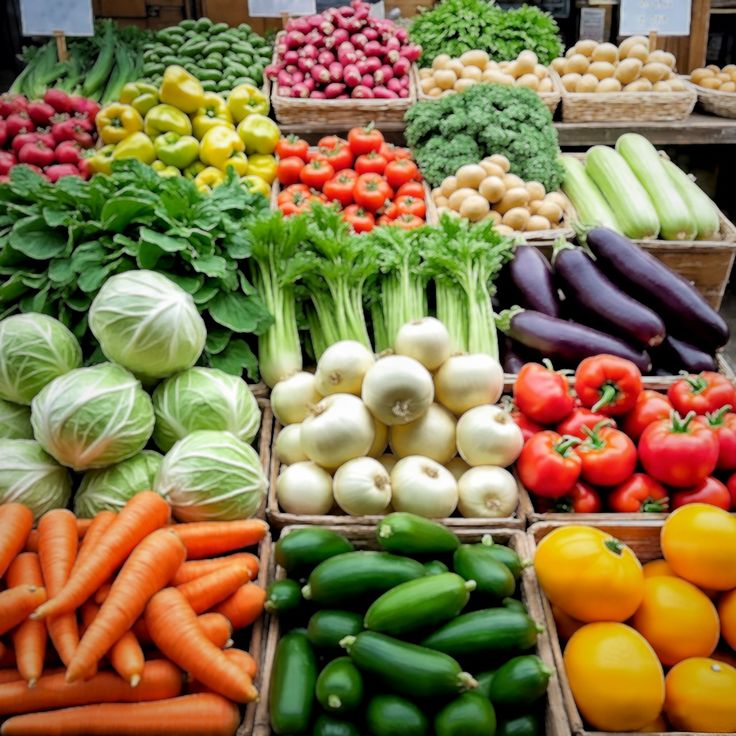
Fresh Agriculture & Seasonal Fruits
Sourced from contracted growers across Bangladesh’s agricultural regions and harvested to order so produce enters the cold chain at peak vitality.

One trusted partner for sourcing, quality, and export logistics from Bangladesh.
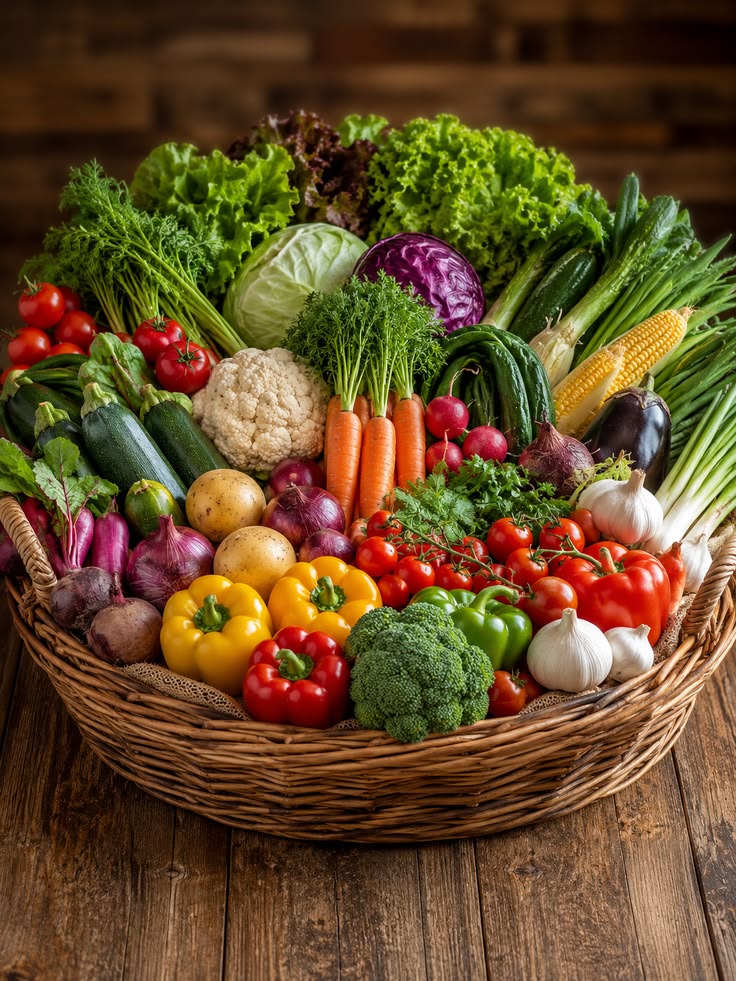

Easio Global connects Bangladesh’s agricultural, marine, and manufacturing sectors with the quality demands of international markets. From source to shipment, we coordinate product processing, quality grading, packaging, documentation, and export logistics through our Chattogram port hub.
Carefully sourced commodities, prepared for reliable global trade.
Sourced from contracted growers across Bangladesh’s agricultural regions and harvested to order so produce enters the cold chain at peak vitality.

Sourced from automated Bangladeshi milling facilities for polished, cleaned, and consistently graded staple grains.
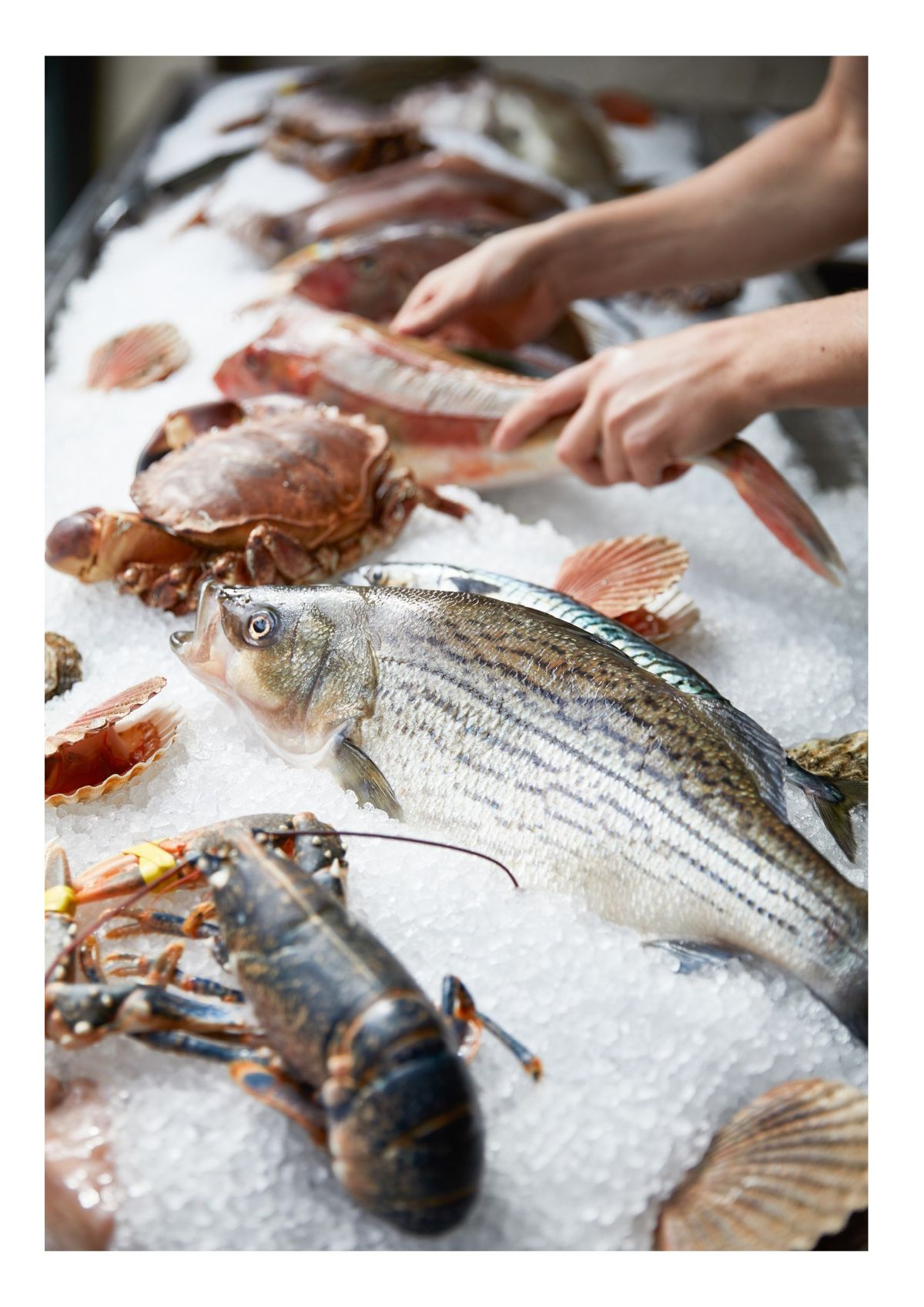
Marine species sourced from certified landing centers and deep-sea trawlers through the coastal gateway of Chattogram.

Industrial jute packaging and eco-friendly consumer products made with Bangladesh’s natural jute fiber.
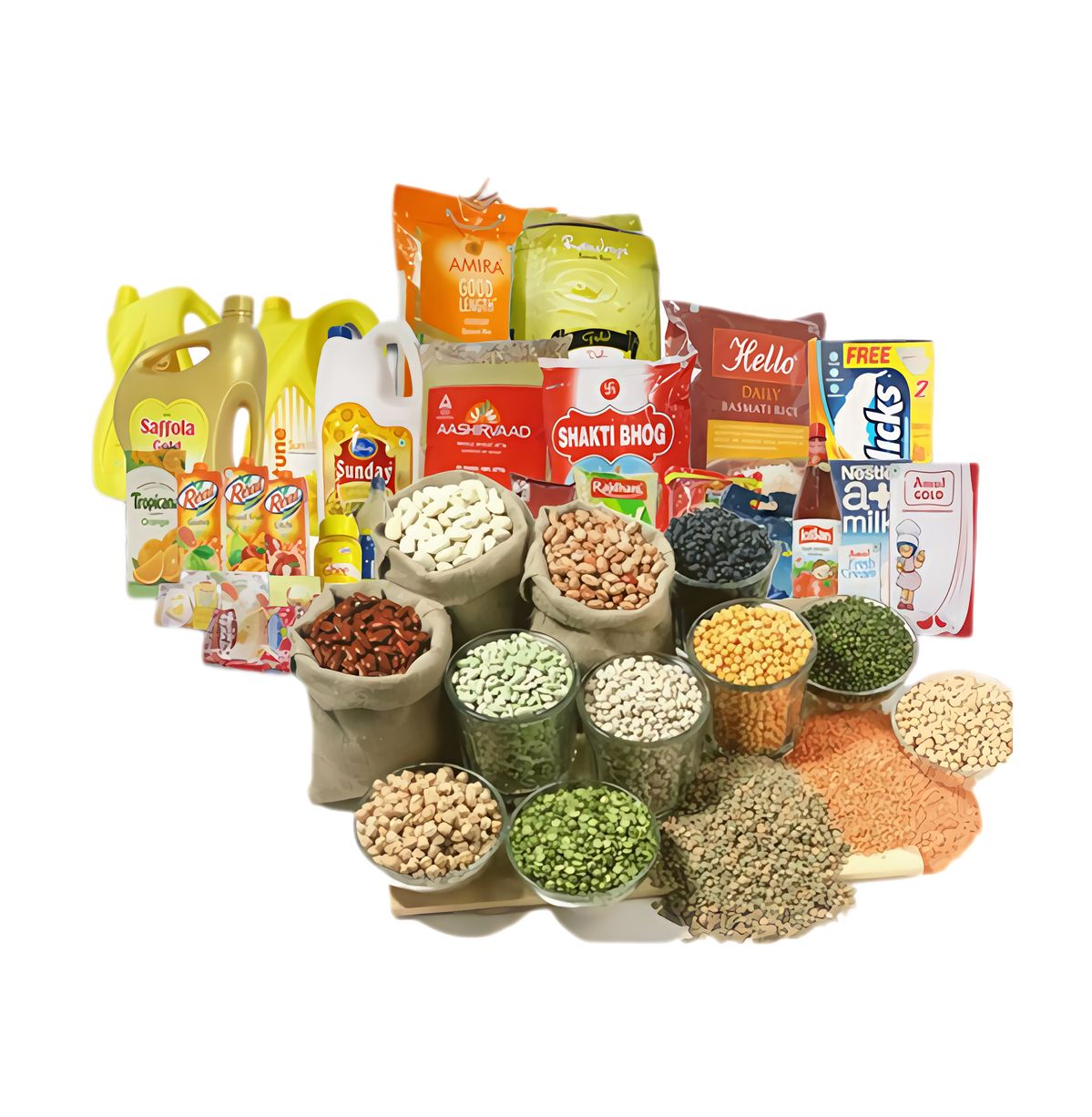
Shelf-ready manufactured foods sourced from certified automated food manufacturing plants in Bangladesh.

An end-to-end trade desk that supports sourcing, packaging, shipment preparation, and export documentation.

UAE, Saudi Arabia, Qatar, Oman, and Kuwait
Fresh vegetables, aromatic rice, halal-certified frozen seafood, and shelf-ready bakery items, supported by rapid transit routes.
European Union and United Kingdom
Fresh produce meeting strict MRL and phytosanitary standards, eco-friendly jute shopping bags, and specialty ethnic food lines.
Malaysia, Singapore, and South Korea
Wild-caught seafood, staple grains, and industrial jute packaging.
United States and Canada
Packaged FMCG confectionery, frozen seafood, and jute lifestyle and home décor goods.
Two coordinated routes designed around the cargo.
Harvest at dawn, then transfer to the climate-controlled Chattogram facility for washing and grading.
Pack perishables in durable, ventilated corrugated cartons designed to maximize airflow.
Complete agricultural quarantine clearance and move temperature-monitored cargo to the airport for flight dispatch.
Source seafood from certified trawlers for flash-freezing, and other products from partner mills and manufacturers.
Prepare seafood, grains, and jute in packaging suited to each product and long-haul transport.
Coordinate Chattogram port clearance, customs, and Letter of Credit documentation ahead of vessel loading.
Practical guidance on sourcing, quality, and shipment planning for trade with Bangladesh.
A practical checklist for keeping quality in view from farm selection through packing and dispatch.
A successful fresh-produce shipment starts before harvest. Align the variety, maturity, size, packaging, and expected volume with the buyer’s written specification, then confirm the harvest window and collection plan with the grower.
After harvest, careful sorting and suitable packing help reduce handling damage. Agree on any pre-cooling and temperature requirements for the product, and coordinate the cold chain, container availability, and sailing schedule before the cargo is ready to move.
Before dispatch, reconcile carton markings and quantities with the commercial documents. Share the expected timeline and shipment updates with the buyer so that receiving and onward handling can be planned.
The sourcing details and shipment controls buyers should agree on before a seafood order is confirmed.
Start with a clear product specification: species, form, size or grade, processing method, glazing or packing requirements, and the condition expected on arrival. Ask how the lot can be traced back through sourcing and processing records.
For temperature-sensitive cargo, map the cold chain from processing and storage to container loading. Confirm the handling temperatures and monitoring approach with the supplier and logistics team, and agree how any shipment exceptions will be reported.
Import rules and documentation depend on the product and destination market. Confirm current buyer, authority, and facility requirements before contracting; do not rely on a generic checklist for every seafood shipment.

A simple way for overseas buyers and Bangladeshi suppliers to reduce avoidable surprises on a first shipment.
Put the essentials in one shared specification: product and grade, quantity, acceptable tolerances, packaging, labelling, inspection expectations, and the destination. For food or agricultural goods, include any product-specific quality or handling criteria the buyer requires.
Then confirm the commercial and operational details together: sample approval, production or sourcing lead time, price basis, payment terms, shipment window, and who is responsible for each document and logistics milestone.
Before goods are packed, compare the final order, approved sample, carton details, and draft shipping documents. A short written confirmation at each handover gives both sides a clearer record and a better basis for resolving questions.
Share your product, destination, and shipment preferences. We’ll prepare an email inquiry for the Easio Global team.